Shape the Sun, Protect Your Space
Understand the Light You Have
Orientation and Sun Path
Light behaves differently by direction and season. East brings gentle mornings; west can flood evenings with hot glare. South-facing windows, in the Northern Hemisphere, enjoy steady sun, while north remains cooler and diffuse. Consider eaves, balconies, and nearby buildings that change sun angles. Track seasonal sun altitude to predict winter low-angle dazzle and summer high-arc heat. Once you sketch these patterns, choosing openness factors, liners, or layered controls becomes confident rather than guesswork.
Glare Versus Comfortable Glow
Glare isn’t just brightness; it is contrast and direction. Screens, glossy tables, and polished floors bounce sunlight into eyes. Diffusing fabrics, cellular shades, and solar screens with appropriate openness cut harsh edges while preserving beautiful daylight. A 3% openness solar fabric can maintain views yet tame reflections; pair it with side channels or drapery for added control at tricky hours. Seek even luminance across your visual field so rooms feel calm, not washed out.
Materials That Shape Light and Protect Privacy
Styles and Mechanisms That Do the Work
Top-Down/Bottom-Up Control
Lower the shade from the top to welcome daylight while shielding sightlines below. This configuration is gold for townhouses, first-floor apartments, and home offices where street traffic and neighbors are close. It pairs gracefully with sheer layers or stationary drapery panels. You keep the sky, lose the sidewalk, and enjoy comfortable screen time. Cordless, clutch, or motorized options ensure safe, predictable alignment. Once experienced, many people refuse to live without this ingenious, flexible control.
Dual Day/Night and Zebra Solutions
Dual systems deliver adaptable light: one fabric for daytime glow or view preservation, another for privacy or darkness. Zebra shades alternate opaque and sheer bands, sliding to fine-tune brightness and views with playful precision. They shine in living rooms and studies where nuanced control beats on-or-off lighting. For bedrooms, pair zebra or light-filtering panels with a secondary blackout layer. Smooth, reliable mechanisms matter; test sample operations in-store if possible, listening for quiet, consistent movement and alignment.
Smart and Motorized Convenience
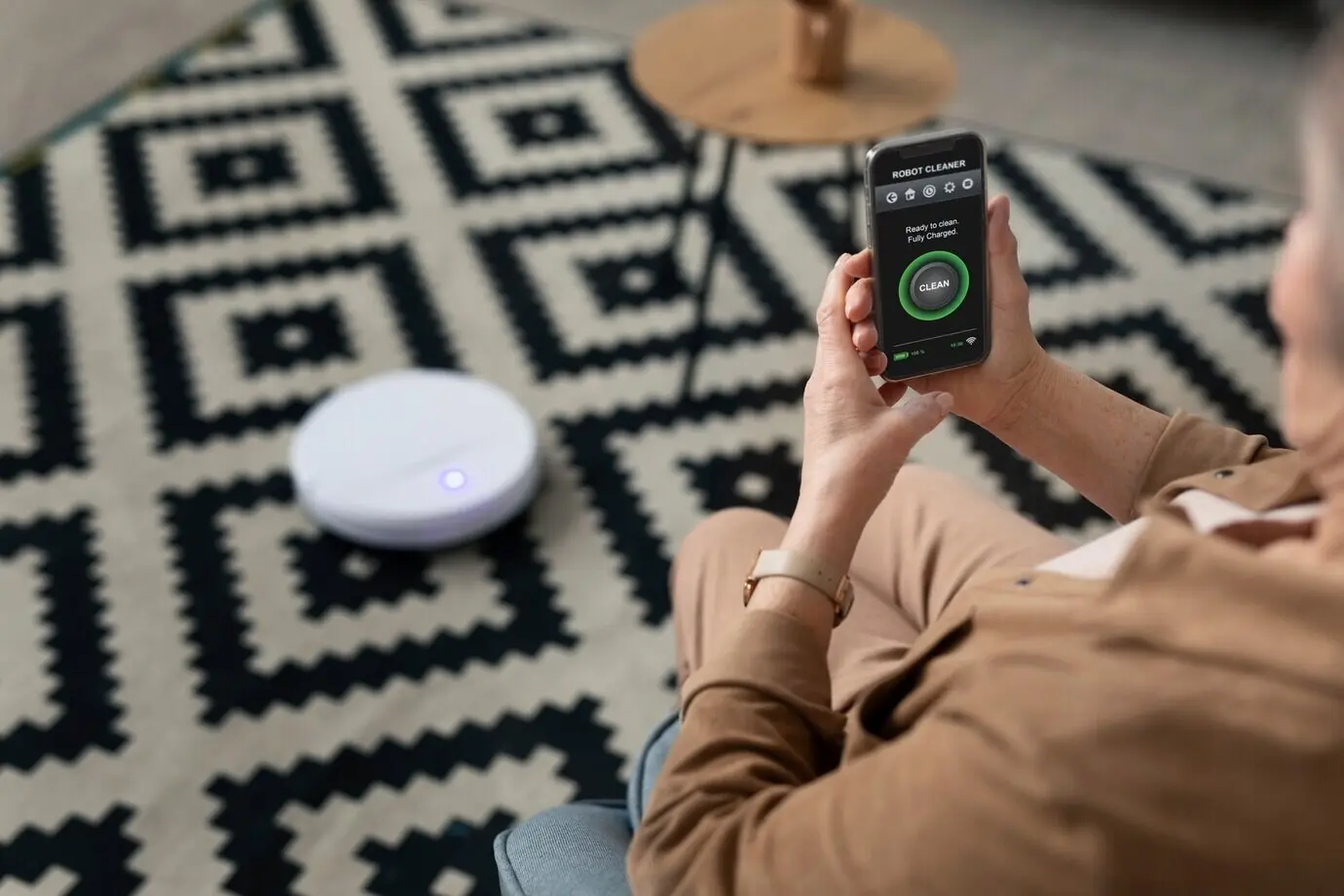
Motorization adds accessibility, safety, and scheduling. Program shades to rise with sunrise and drop at dusk for comfort and energy savings. Battery, plug-in, and hardwired options exist; quiet motors and secure smart integrations are worth the investment. Voice commands help when hands are full, and grouped scenes coordinate multiple windows at once. A client with cathedral windows stopped wrestling ladders after upgrading, reporting lower afternoon temperatures and less fading on artwork. Comfort should never depend on acrobatics.
Room-by-Room Guidance
Living Rooms and Shared Spaces
For welcoming areas, aim for balanced luminance, protected views, and easy conversation comfort. Solar shades with 3% to 5% openness curb glare yet keep cityscapes or gardens visible. Add side panels for evening privacy and extra insulation. If sunlight shifts dramatically, layered sheers and dim-out drapery adapt elegantly. Ceiling-mount tracks elongate walls and soften acoustics. Encourage family input on reading corners and TV angles; people use shared spaces differently, and light should serve everyone gracefully.
Bedrooms and Nurseries
Sleep thrives in darkness and quiet. Blackout shades or lined drapery, sealed with returns and adequate overlap, defeat early sun and intrusive streetlights. Cellular shades add insulation for sound and temperature stability. Consider dual systems for lazy weekend mornings: open a light-filtering layer for gentle wake-ups without announcing the neighborhood. Cordless operation is essential for nurseries, and fabric choices should resist dust and clean easily. A restful room pays dividends every single morning you wake refreshed.
Kitchens, Bathrooms, and Laundry
Moisture and mess call for practical materials. Faux wood blinds resist warping near sinks; vinyl shutters stand up to humidity; solar or roller fabrics with wipeable coatings clean quickly. In bathrooms, prioritize privacy without gloom by using top-down/bottom-up or frosted looks paired with breathable shades. For small windows, outside mounts can visually enlarge openings. Consider ventilation, steam paths, and splash zones when placing hardware. You deserve daylight that supports cooking, grooming, and chores without constant fussing.
Design, Mood, and Energy
Measuring, Installing, and Caring for Longevity
Measure Once, Then Measure Again
Record width at top, middle, and bottom, then use the smallest measurement for inside mounts. Check height on both sides to catch settling. Note out-of-plumb walls that require extra overlap. For outside mounts, plan generous coverage to block edge glow. Consider returns and projection to clear trim or tile. If in doubt, get professional verification. A few millimeters determine whether hardware glides smoothly, light stays controlled, and privacy remains tight when night falls.
Safety, Codes, and Accessibility
Choose cordless, retractable, or motorized systems to protect children and pets, complying with modern safety standards. Avoid dangling cords near cribs, beds, and play zones. In rentals or condos, verify HOA and landlord guidelines for exterior appearance and drilling. Prioritize reachable controls for all users, considering arthritis, mobility, and height. Accessibility is comfort, not a luxury. Simple, safe operation encourages daily use, ensuring glare is managed and privacy secured without stress or complicated routines.