

Light Your Day, Soothe Your Night: The Art of Layered Illumination

Discover layered lighting strategies for productive days and relaxing evenings by combining ambient, task, and accent sources with thoughtful timing. We will shape focus in the morning, sustain clarity through afternoon dips, and invite calm after sunset using color temperature, dimming, and placement. Expect actionable tips, small wins, and cozy rituals you can start tonight.

Morning Momentum: Brightness, Contrast, and Color That Kickstart Focus

Mornings benefit from generous, uniform illumination that clears mental fog without creating harsh glare. Combine bright ambient light with cooler color temperatures around 4000–5000K to stimulate alertness, then target work surfaces with precise beams that sharpen text and edges. Layer daylight by bouncing it off pale walls, and let dimmers ramp up gently, transitioning your body from soft sleep into intentional, focused momentum without jolting discomfort.

Build a Bright Ambient Base

Start by filling the room with even ambient light that eliminates deep shadows and reduces visual strain. Ceiling bounces, large diffusers, or translucent shades keep brightness generous yet soft. As daylight grows, match it with cooler tones to maintain coherence. Aim for a sense of visual clarity everywhere you look, so the brain can prioritize tasks rather than constantly adapting to uneven, distracting contrasts.

Direct Task Light That Respects Vision

Place a task lamp slightly ahead and to the opposite side of your writing hand to prevent shadows from competing with your focus. Use a focused beam with good color rendering for crisp text and accurate color judgment. Keep the fixture below eye level or shielded with a shade to avoid glare. Adjust angle and intensity as you switch from typing to reading to sketching.

Energizing Accents, Zero Harshness

Introduce a few bright accents that bring life to shelves, plants, or artwork without stabbing the retina. Small, directional spots or LED strips can create sparkle that signals wakefulness. Keep the eye’s path comfortable by avoiding bare bulbs in direct sightlines. The goal is animation, not interrogation, letting small highlights keep mood buoyant while your main lighting quietly supports sustained concentration.

Afternoon Flow: Balancing Energy and Softness

Dimmer Ramps That Track Energy Dips

Time your dimmers to ease brightness right after lunch, when many people feel a productivity slump. Reducing ambient levels just a touch can lower strain while preserving alertness. Meanwhile, keep task lights a notch brighter, ensuring focus stays anchored. Think of it like a soundtrack: background volume softens, solos rise, and the whole room supports calm persistence rather than demanding intensity.

Soften Shadows, Save Eyes

Afternoon eye strain often comes from hard transitions between bright screens and dark surroundings. Add diffusion through fabric shades, wall washers, or frosted bulbs to soften edges. Ensure the wall behind your monitor has a mild glow, calming the iris by narrowing contrast. This gentler gradient prevents fatigue, encouraging you to read, analyze, and write longer without the familiar urge to rub your eyes.

Invite Daylight, Train LEDs to Follow

As the sun arcs, daylight shifts unpredictably. Let blinds modulate incoming brightness while LEDs adapt to complement rather than compete. A sensor or simple schedule can tune indoor levels enough to reduce constant manual fiddling. This partnership between natural and electric light creates continuity, helping you feel grounded and supported through deep work, quick meetings, or a spontaneous afternoon stretch that resets attention.

Warm Color Temperatures That Whisper Calm

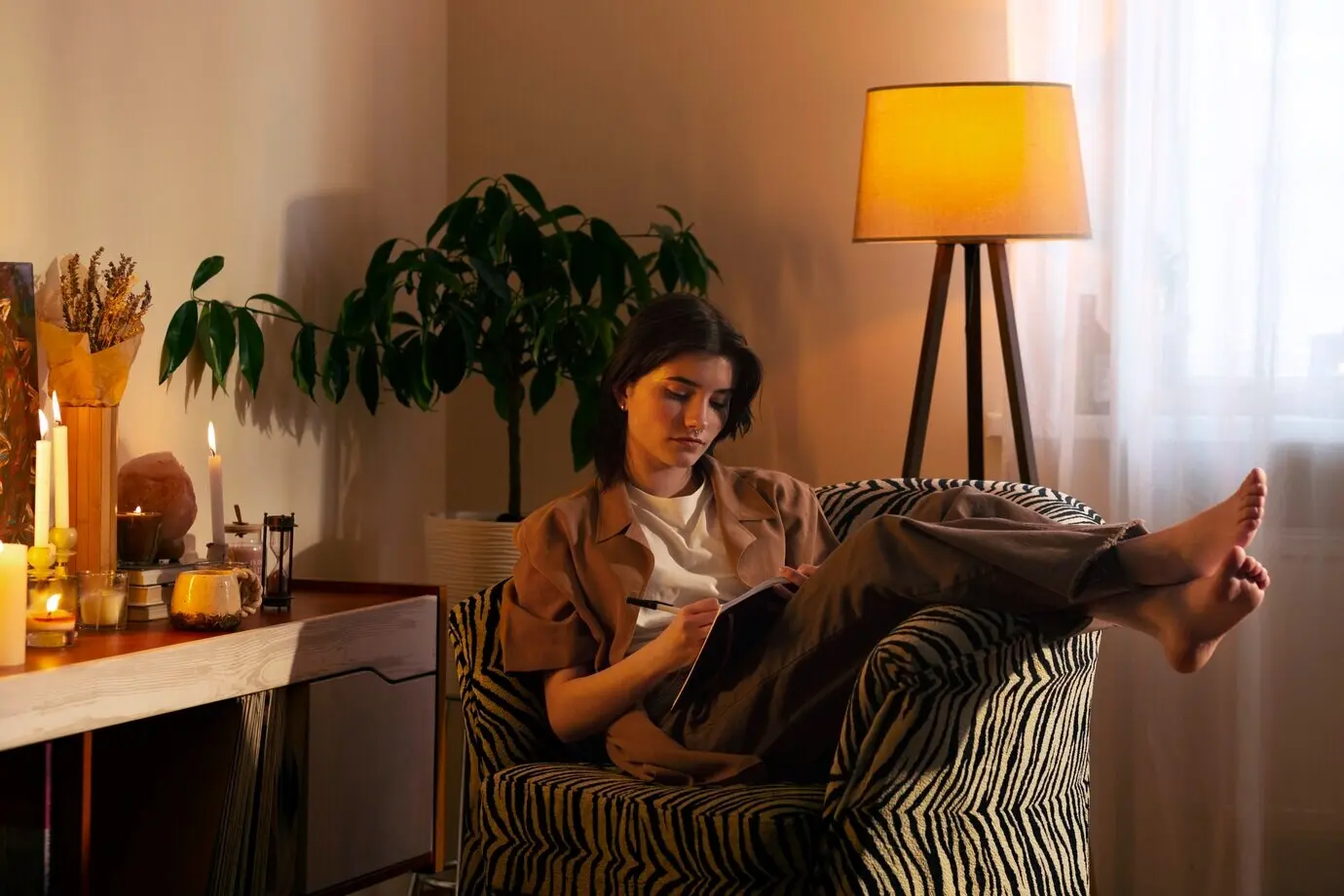
Shift from stimulating cool whites to cozy ambers and candlesque hues. Warm light reduces alerting effects and prepares the brain for restorative sleep. Keep task lighting available but softened, reserving crisp brightness for quick chores. Think sunsets, campfires, and late cafés: flattering, forgiving, and human. When color temperature drops and intensity lowers together, rooms feel like a gentle exhale at the end of the day.

Low-Level Layers That Guide Without Waking

Place low-output lights under cabinets, along baseboards, or in coves so pathways remain visible without blasting pupils. Motion-activated night lights at toe-kick height protect sleepy wanderings. The secret is stacked subtlety: tiny glows add up to comfort and safety, while the absence of overhead glare prevents alertness spikes. Even cleaning up late becomes calmer, because the light respects quiet bodies and quieter plans.

Human-Centric Timing: Routines, Scenes, and Automation

Thoughtful timing turns good lighting into life-friendly ritual. Morning scenes rise slowly with cooler tones; afternoons balance brightness for sustained attention; evenings glide toward warmth and low intensity. Automations can do the remembering, while manual overrides keep you in charge. When routines match the body’s rhythm, productivity feels natural, rest feels deserved, and each switch becomes a cue rather than a chore.

Materials, Shades, and Surfaces: Sculpting Light, Not Just Lumen

Light behaves like water, shaped by every surface it touches. Matte walls absorb glare; satin finishes bounce softly; glossy planes reflect sharply, sometimes beautifully and sometimes harshly. Shades and diffusers transform bright points into tender halos. Strategic paint choices, ceiling height considerations, and fixture optics determine everything from mood to eye comfort. When materials cooperate, even modest bulbs feel exquisitely designed.

Paint, Reflectance, and Ceiling Bounce

Lighter walls increase perceived brightness without raising wattage, creating calm, even fields of light. Try off-whites with warm undertones for evening-friendly glow. A brighter ceiling invites bounce, turning point sources into expansive illumination. Behind monitors, mid-tone colors reduce contrast fatigue. Sample swatches under actual lamps before committing. When surfaces assist, fixtures work less, your eyes relax, and rooms feel intentionally luminous.
Shades, Diffusers, and Delightful Glow

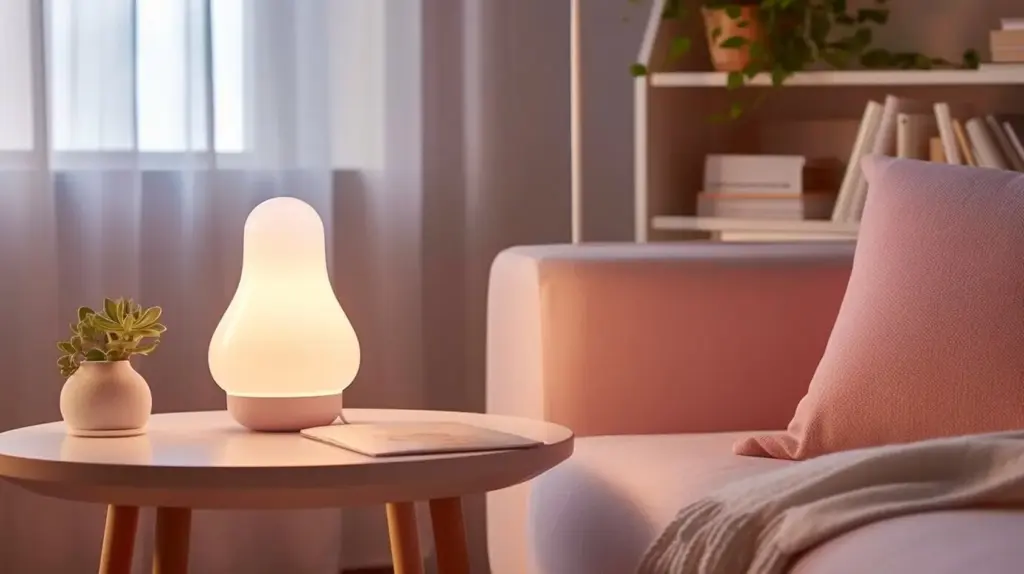
Fabric shades, opal glass, and microprismatic diffusers soften edges while preserving clarity. They control glare, spread light smoothly, and add texture that feels tactile. Even a simple paper shade can transform a harsh bulb into a comforting lantern. Think layers: transparent for sparkle, translucent for glow, opaque for direction. Your goal is dimensionality—light that wraps, glances, and breathes rather than shouts.
Glare, Angles, and Small-Room Tricks

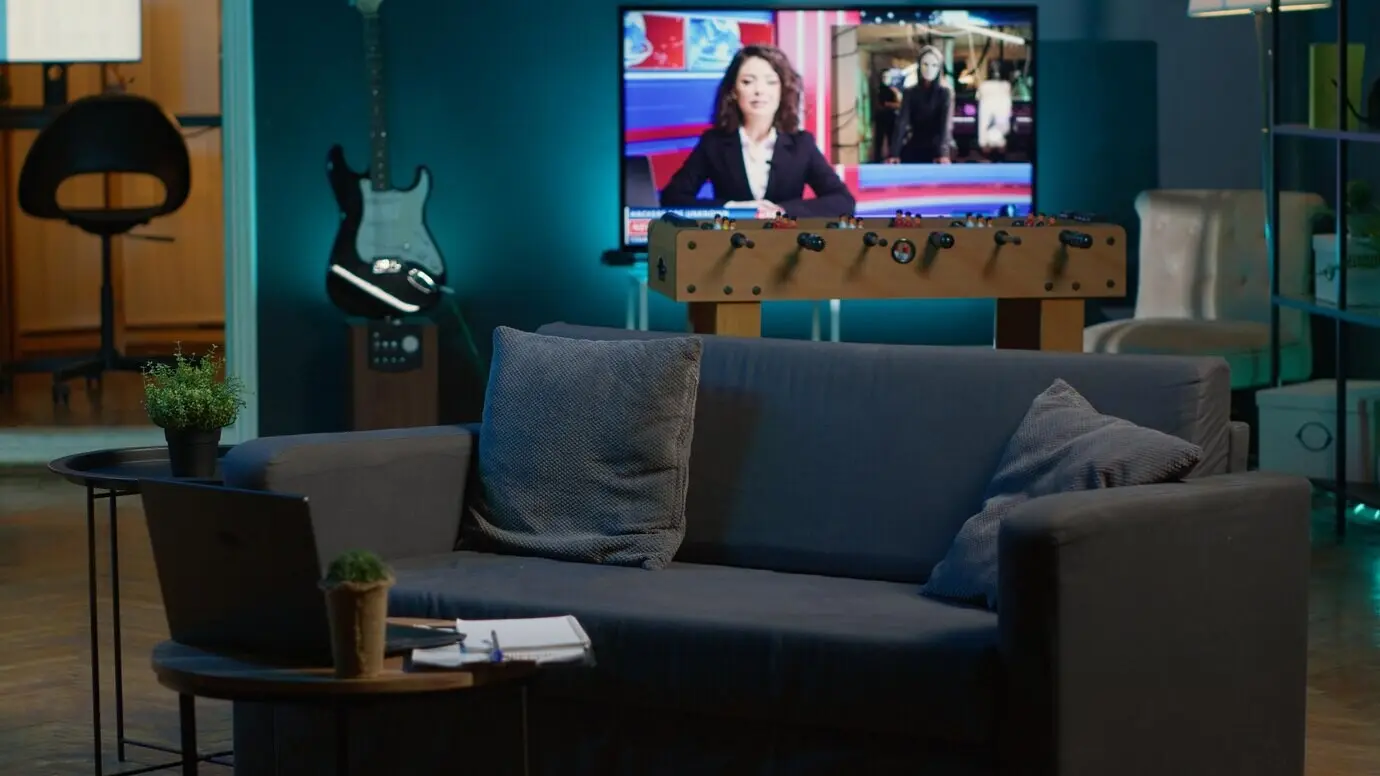
In compact spaces, aim fixtures away from eyes and toward walls or ceilings. Use wall washers to expand perceived width, and low-glare trims to keep brightness deliciously usable. Place task lights just outside sightlines, leveraging reflectance for comfort. Tiny rooms benefit from subtle vertical illumination that lifts corners and invites depth, making even tight apartments feel gracious, welcoming, and surprisingly calm.
A Kitchen That Doubles as Workshop by Day

By day, bright under-cabinet strips chase shadows off cutting boards, while a cooler pendant over the island centers attention for meal prep or laptop work. By night, dimmed pendants and a soft cove wash invite conversation. The same room becomes two experiences, simply by balancing ambient, task, and accent layers that invite energy when needed and companionship when wanted.

A Desk Corner That Sparks Ideas on Cue

A simple desk lamp with a precise beam and a wall wash behind the monitor eliminated eyestrain and procrastination. A morning scene sets brighter, cooler light; an afternoon mode softens edges; an evening preset warms everything. The workflow became predictable and pleasant. Try sharing your settings, because someone else may borrow that tiny effort and unlock a surprisingly big creative lift.
Favoruvuvafofamepu
Privacy Overview

This website uses cookies so that we can provide you with the best user experience possible. Cookie information is stored in your browser and performs functions such as recognising you when you return to our website and helping our team to understand which sections of the website you find most interesting and useful.