
Scenes That Flow with the Day

Today we dive into smart home scene setting to automate time-of-day mood changes, blending circadian lighting, adaptive audio, and context-aware triggers so mornings feel clear, afternoons focused, and nights truly restful. We will map light temperatures, volume curves, and gentle automations to real human rhythms, avoiding jarring scripts and respecting presence. Bring curiosity and your favorite hub, because the next sunrise could feel softer, and every evening might settle with fewer taps and more ease.

Dawn Welcome

Start before alarms with a slow fade from nightlight amber to gentle warm white, giving eyes time to adapt and cortisol its chance to rise naturally. Layer soft kitchen task light, pre-warmed bathroom LEDs, and quiet blinds tilting. Allow motion to nudge the pace, so weekends linger and weekdays advance.

Midday Focus

Shift toward neutral-cool brightness that keeps text crisp without glare, around four thousand to five thousand kelvin, while shadows stay gentle through diffuse shades. Link computer presence to sustain levels during calls, and lower slightly during breaks. Add a plant-light splash that brightens mood without pushing intensity beyond comfort.

Evening Wind-Down

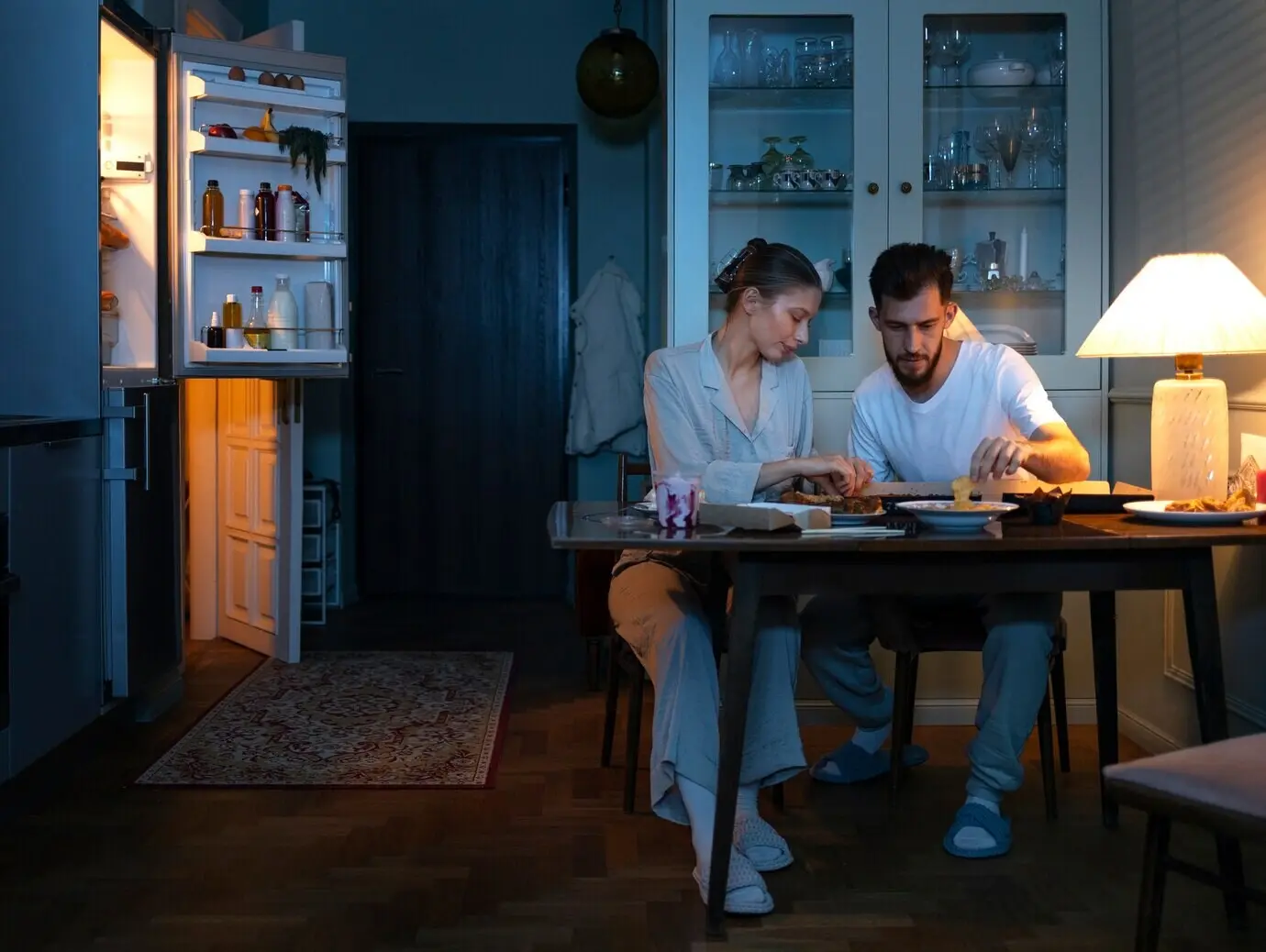
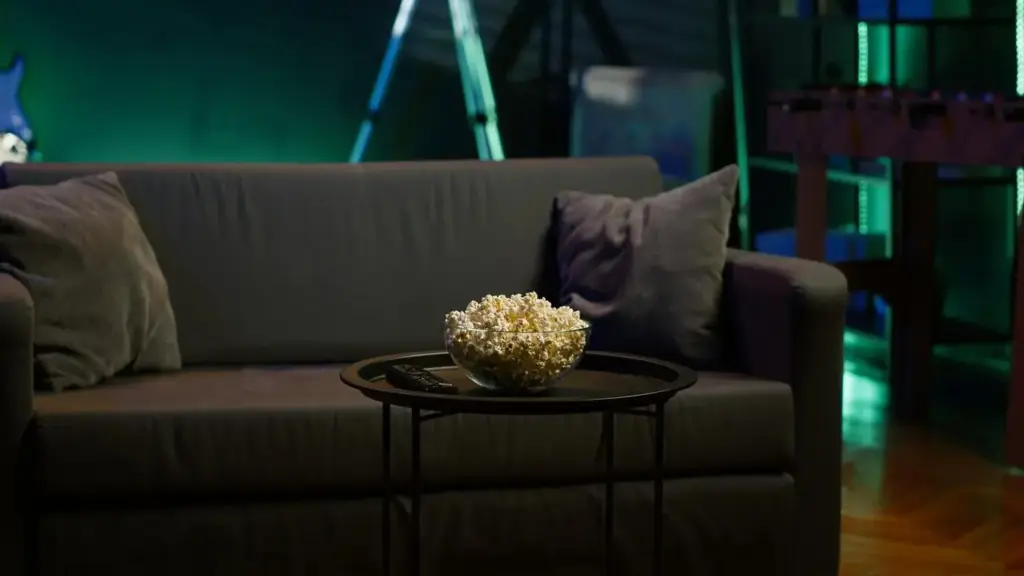
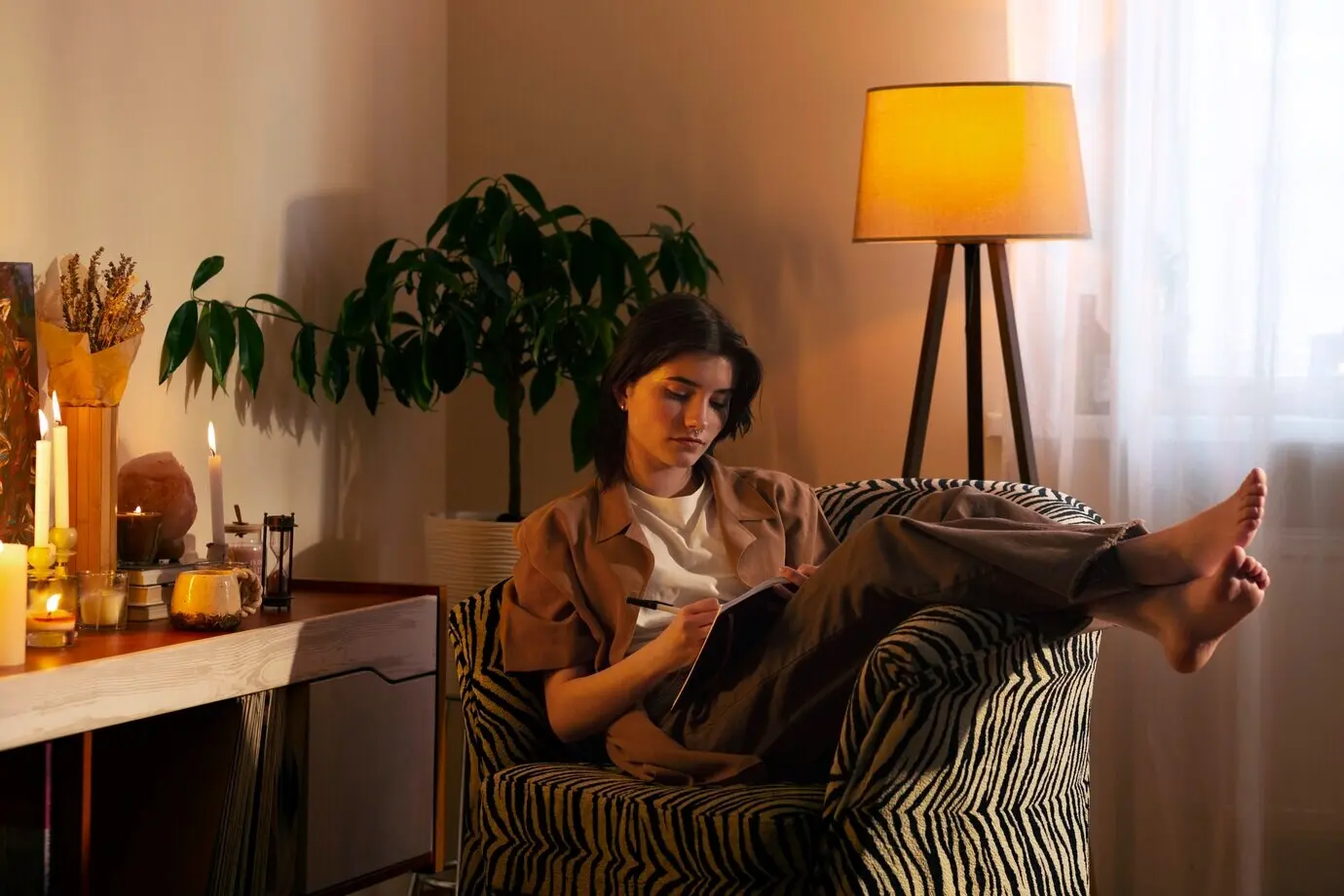
Guide spaces toward candlelike warmth, two thousand two hundred kelvin or lower, dimming gradually below twenty percent so reflections soften and screens feel less demanding. Pair reading lamps with narrow beams and bias lighting behind televisions. Let a single button pull the home toward quiet while timers guard drowsy lapses.

Soundscapes as Subtle Companions

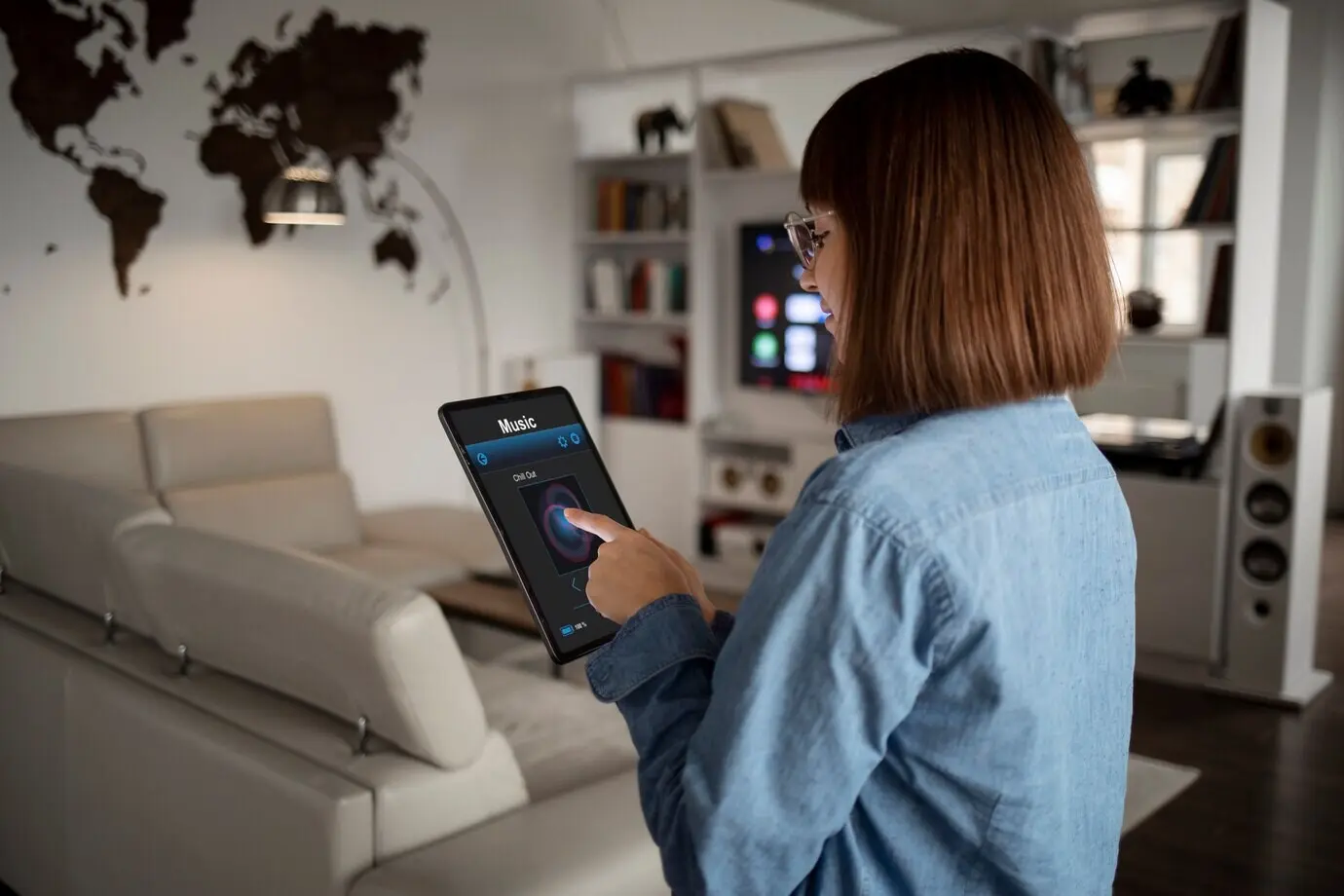
Curated audio can mark transitions the way church bells once did, but softer and personal. Morning birdsong, unobtrusive pink noise for focus, and evening lo-fi or rainfall can steer attention and emotion without commanding it. Tie volumes to room occupancy and daypart, keeping speech frequencies clear during work hours. Blend smart speakers, soundbars, and wearables, but honor quiet by giving silence a schedule too. Share playlists that gently lift or settle your household so others can try them.
Fade in nature sounds for several minutes after lights begin warming, with the first spoken briefing only after motion confirms you are truly up. Keep volume below the level of soft conversation, and shape equalization to emphasize clarity rather than bassy excitement. Weekends should start later, automatically respecting your chosen rest.
For deep work, lean on instrumental mixes or pink noise that mask distractions without swallowing voices from colleagues. Coordinate with calendar statuses to pause during meetings, then resume gently. Allow a quick voice command to switch between focus, collaboration, and break modes, storing preferred volumes per room so transitions remain frictionless.
Evenings deserve predictable hush. Set maximum volumes that cap enthusiastic playlists, and schedule notifications to whisper or move to watches only. Doorbells shift to subtle chimes or smart lights, letting babies sleep and neighbors remain welcome. If someone overrides, log respectfully and restore serenity automatically when rooms empty again.

Occupancy Overrides that Feel Polite

If a desk lamp turns on, assume someone is concentrating and hold brighter levels even when motion pauses briefly. After prolonged stillness, glide lights down instead of snapping dark. Nighttime bathroom motion should trigger only pathway guidance, shielding sleepers. Record trends to refine sensitivity while keeping data local and respectful.

Astronomical Clocks, Not Static Timers

Set transitions by the sun, not a rigid wall clock. Sunrise plus fifteen minutes softens groggy starts in winter, while sunset minus twenty keeps stairways bright before darkness arrives. Cloudy-day lux sensors adapt aggressively, ensuring rooms never feel gloomy or dazzling. Your automations breathe with weather instead of fighting it.

Calendar-Aware Evenings

When the last scheduled commitment ends, ease into warm light and reduced notifications automatically, even if the clock says early. Add a buffer if travel time is detected, and extend brightness when guests are expected. The result feels considerate, anticipatory, and less brittle than a simple nine-to-five schedule could offer.

Design for Real Life Interactions

Good scenes are invitations, not puzzles. Name them in plain language, assign clear icons, and limit options so family members never fear breaking something. Provide one-tap exits to lights-on and lights-off that gently override the current state, then let automations resume after a reasonable quiet period. Consider accessibility with high-contrast widgets and reachable switches. Add a guest mode that relaxes strict schedules. Ask for feedback in your household, iterate weekly, and celebrate the tiny frictions you removed.

Trustworthy, Private, and Durable Automations

Your home deserves discretion and resilience. Favor local processing where available, keeping presence, audio snippets, and schedules within your network. Choose platforms with clear data practices and adaptive permissions, so every resident feels seen but never surveilled. Plan for outages with battery-backed routers, a small UPS for your hub, and fallback scenes that default to safety and comfort. Document what you built, and label breakers thoughtfully. When visitors ask how it works, explain plainly, invite questions, and welcome skepticism.

Local First Where It Matters

Run occupancy, lighting transitions, and door state logic on a hub that survives internet hiccups. Keep voice recordings opt-in and short-lived. If cloud services add delightful features, gate them behind explicit consent. Transparency builds trust far faster than glossy marketing, and dependable behavior during storms will seal the deal.
Graceful Degradation

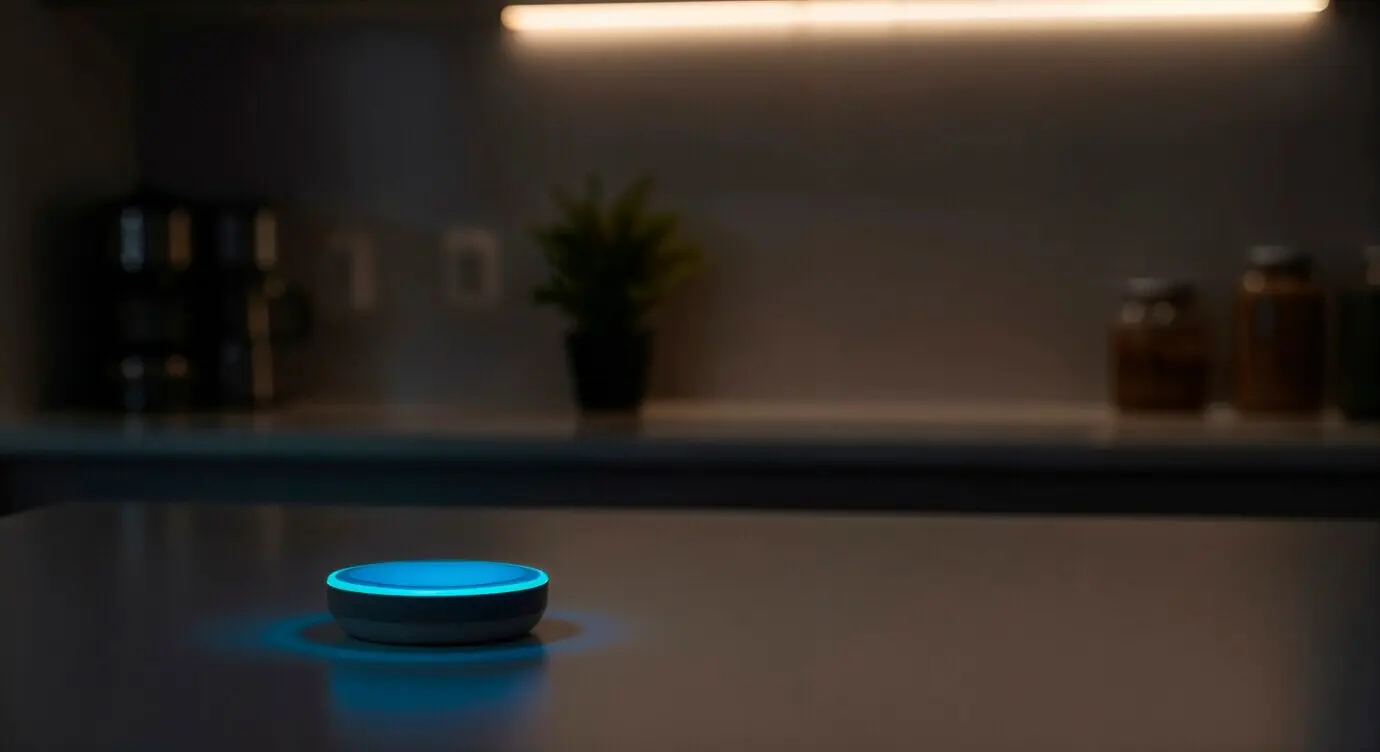
When a sensor fails or Wi‑Fi stalls, the home should not punish anyone. Fall back to broad schedules, broader brightness, and manual control. Send a gentle alert with helpful detail rather than panic. Design redundancy for entrances, night lights, and key appliances so comfort continues while you troubleshoot calmly.
Consent and Transparency

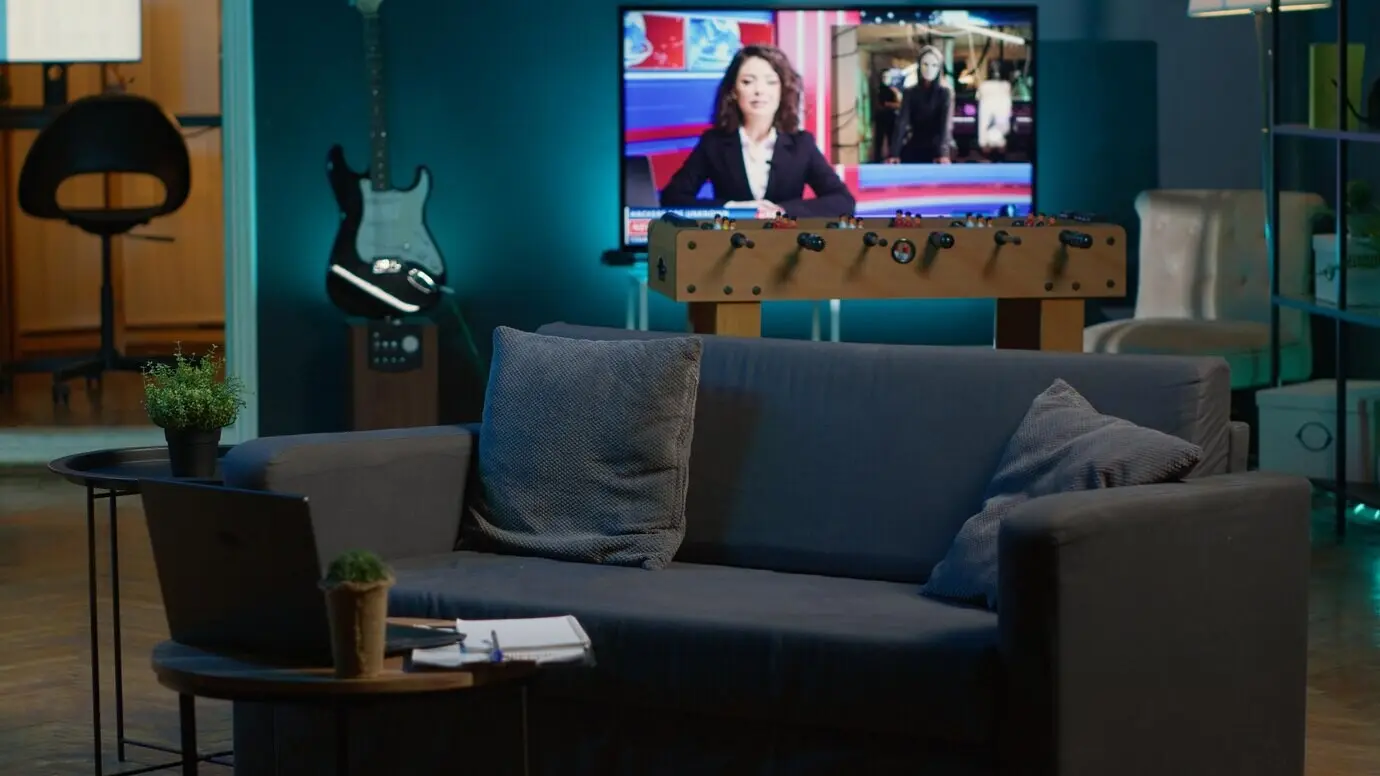
Housemates appreciate knowing what changes when, and why. Publish a concise guide in your family chat, list voice commands, and clarify opt-out options. Nighttime cameras should disable automatically when people are home. Respect boundaries, revisit agreements quarterly, and treat privacy as an evolving design constraint, never an afterthought or nuisance.
Lived Experiences and Little Revelations

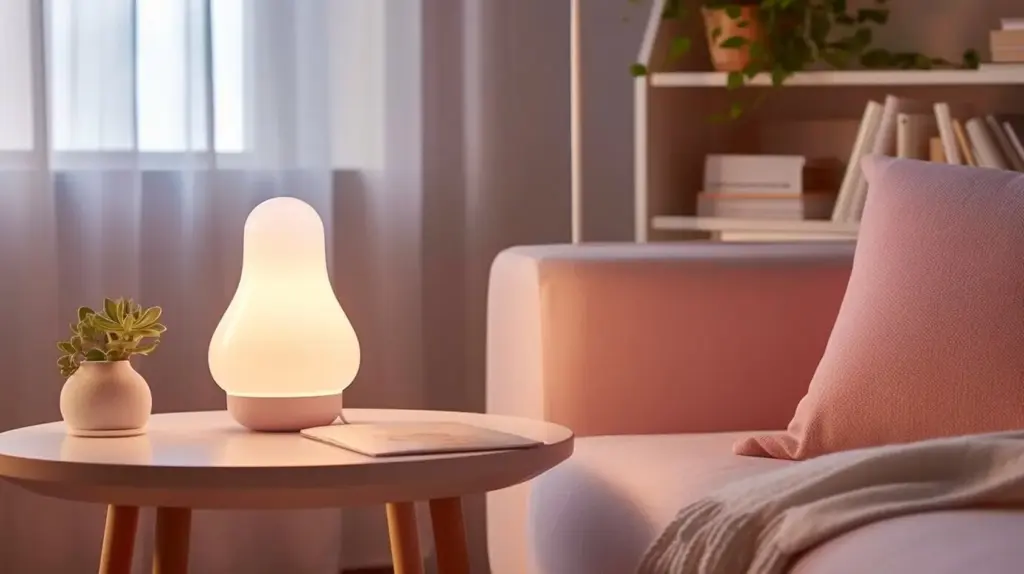
Real stories show the difference. After a week with sunrise fades, one parent reported fewer snooze taps and calmer school departures. A freelancer found that midday shades and neutral light cut headaches, while a nighttime hallway glow ended stubbed toes without waking anyone. Another home’s movie scene automatically paused when the doorbell rang, easing pizza nights. These are small mercies multiplied. Share your wins and misses, ask questions, and subscribe for deep dives into devices, scenes, and empathetic automation habits.
Favoruvuvafofamepu
Privacy Overview

This website uses cookies so that we can provide you with the best user experience possible. Cookie information is stored in your browser and performs functions such as recognising you when you return to our website and helping our team to understand which sections of the website you find most interesting and useful.