
Paint, Reflectance, and Ceiling Bounce
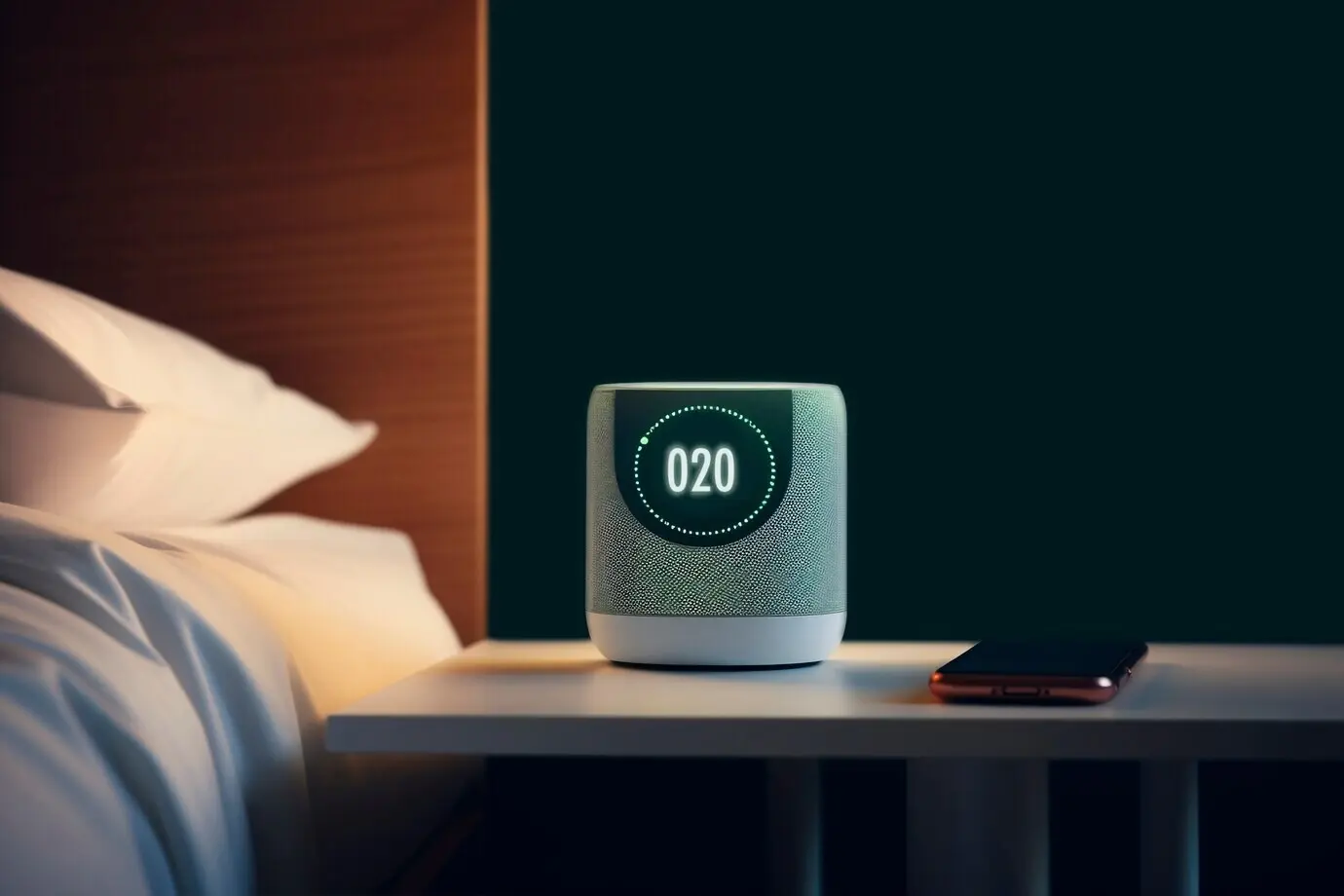
Lighter walls increase perceived brightness without raising wattage, creating calm, even fields of light. Try off-whites with warm undertones for evening-friendly glow. A brighter ceiling invites bounce, turning point sources into expansive illumination. Behind monitors, mid-tone colors reduce contrast fatigue. Sample swatches under actual lamps before committing. When surfaces assist, fixtures work less, your eyes relax, and rooms feel intentionally luminous.
Shades, Diffusers, and Delightful Glow
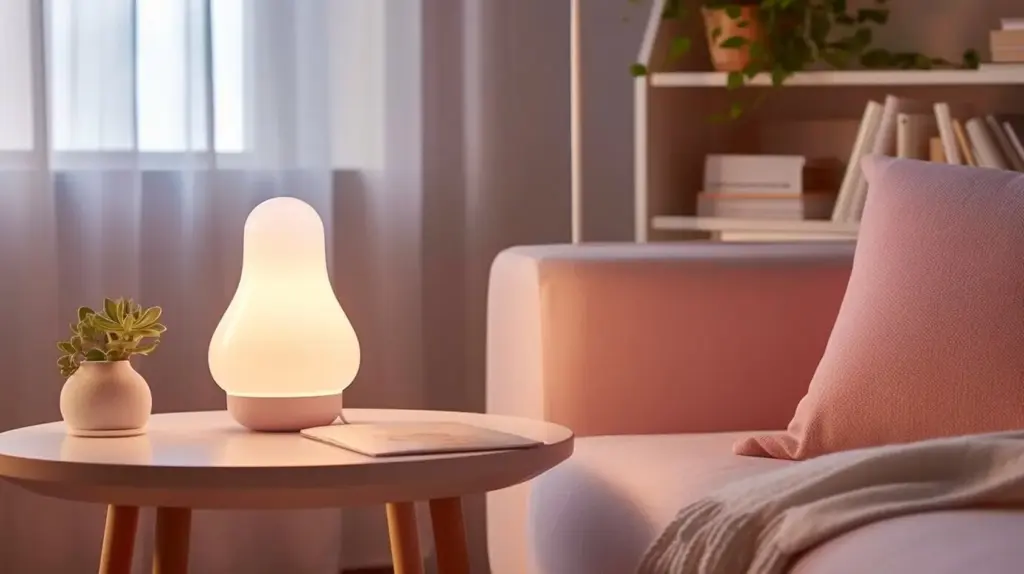
Fabric shades, opal glass, and microprismatic diffusers soften edges while preserving clarity. They control glare, spread light smoothly, and add texture that feels tactile. Even a simple paper shade can transform a harsh bulb into a comforting lantern. Think layers: transparent for sparkle, translucent for glow, opaque for direction. Your goal is dimensionality—light that wraps, glances, and breathes rather than shouts.
Glare, Angles, and Small-Room Tricks
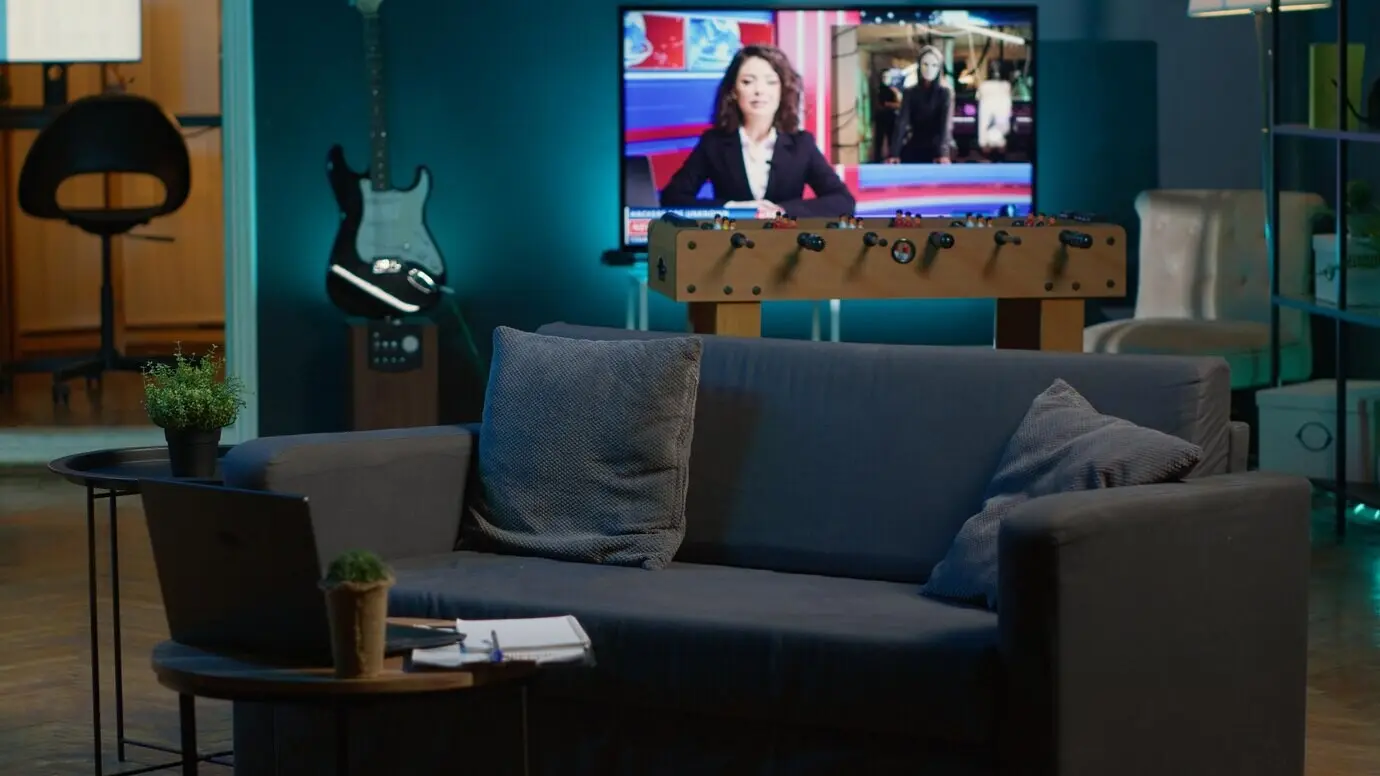
In compact spaces, aim fixtures away from eyes and toward walls or ceilings. Use wall washers to expand perceived width, and low-glare trims to keep brightness deliciously usable. Place task lights just outside sightlines, leveraging reflectance for comfort. Tiny rooms benefit from subtle vertical illumination that lifts corners and invites depth, making even tight apartments feel gracious, welcoming, and surprisingly calm.